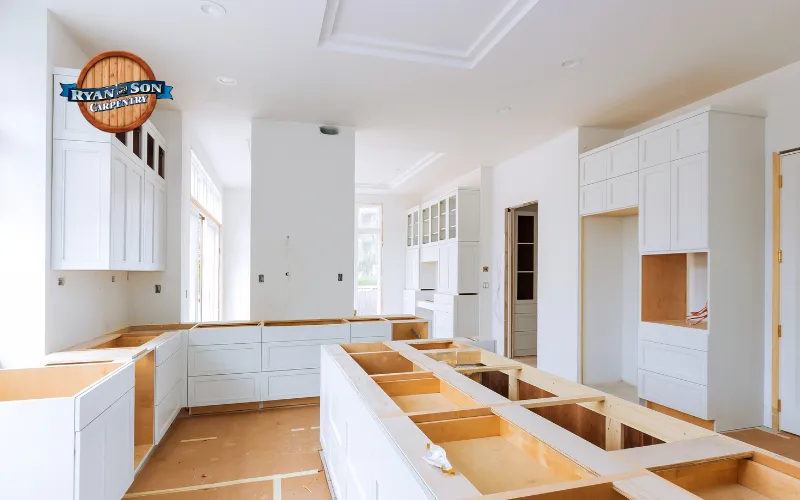
What's The Best Way To Handle A Kitchen Cabinet Renovation?
The best way to handle a kitchen cabinet renovation is first to assess whether your existing cabinet frames are structurally sound, allowing you to choose between cost-effective refacing (saves 50-60%) or a full replacement.
Key steps include establishing a realistic budget with 10-15% contingency, taking precise measurements to avoid costly errors, selecting quality materials like solid wood or plywood, updating with modern doors and high-quality hardware, maximizing functional storage, and choosing durable finishes.
Working with professional cabinet installers ensures accurate installation and seamless coordination with plumbers, electricians, and countertop fabricators to maximize ROI and achieve lasting aesthetic appeal.
This guide walks you through every critical decision in your kitchen remodeling cabinets project—from budget planning and measurements to material selection and professional installation.
Key Takeaways
Assess existing cabinet condition first—refacing saves 50-60% when frames are structurally sound
Budget 30-40% of total kitchen renovation costs for cabinets, plus 10-15% contingency for surprises
Accurate measurements prevent costly delays; professional cabinet installers use laser tools for precision
Quality materials (solid wood, plywood, dovetail joints) significantly impact durability and longevity
Coordinate installation timing with flooring, electrical, plumbing, and countertop fabrication
Establish Your Renovation Budget: The Foundation of Your Project
Before anything else, define how much you're willing to invest in your kitchen renovation. This isn't just about the cabinets themselves; it encompasses every aspect of the project, from demolition to final touches.
Cabinets typically consume 30-40% of the total kitchen budget. For a $30,000 renovation, expect to spend $9,000-$12,000 on kitchen remodeling cabinets alone. Setting clear financial limits helps you avoid overspending and ensures you don't compromise other important elements.
Be realistic about what you can afford, and remember that quality comes at a price. Cheap cabinets may save money initially but often require replacement sooner, costing more long-term.
Pro tip: Always allocate a contingency fund, ideally 10-15% of your total budget, for unexpected costs. These could include structural repairs, changes to plumbing or electrical systems that become apparent during demolition, or upgraded finishes you decide on mid-project.

Refacing vs. Replacement: Choose Your Path
One of your first decisions is whether to reface existing cabinets or replace them entirely.
When Cabinet Refacing Makes Sense
If your existing cabinet boxes are structurally sound—no water damage, warping, or sagging—refacing offers excellent value. This process replaces doors, drawer fronts, and hardware while covering existing frames with matching veneer.
Cost savings: Refacing costs 50-60% less than complete replacement, typically $4,000-$9,000 vs $8,000-$20,000+ for new cabinets.
Timeline: Faster completion—usually 3-5 days vs 1-2 weeks for full replacement.
Limitations: You cannot change cabinet layout, dimensions, or add more storage. Your existing configuration stays the same.
When Full Replacement Is Necessary
Choose replacement when:
Existing cabinets are damaged, warped, or structurally compromised
You want to change kitchen layout or cabinet configuration
Current cabinets lack sufficient storage or functionality
You need modern construction features like soft-close drawers
Full replacement costs more upfront but delivers complete design freedom and optimized storage solutions.
Take Accurate Cabinet Measurements: Precision is Paramount
Measuring your kitchen space is one of the most crucial steps in a successful cabinet renovation. Inaccurate measurements can lead to costly delays, fitting issues, and added expenses.
What to Measure
Wall dimensions: Measure wall-to-wall at multiple heights—walls are rarely perfectly straight.
Ceiling height: Check at various points across the room; height often varies.
Obstacles: Document precise locations and dimensions of windows, doors, electrical outlets, plumbing fixtures, HVAC vents, and light fixtures. Note window height from floor and distance from corners.
Appliances: Measure exact dimensions of refrigerator, range, dishwasher, and microwave, including required clearances.
Architectural features: Account for alcoves, bump-outs, soffits, and any irregularities.
Evaluate Cabinet Materials and Construction
Not all kitchen remodeling cabinets are created equal. Understanding different materials and construction methods helps you choose cabinets that suit your lifestyle, aesthetic preferences, and budget.
Common Cabinet Materials Comparison

Quality Construction Features to Look For
Dovetail joints: Hallmark of quality cabinet drawers, offering superior strength compared to stapled or doweled joints.
Soft-close drawers and doors: Prevent slamming, extend cabinet life, and add a luxury touch.
Full-extension slides: Allow drawers to pull out completely, providing complete access to contents.
Adjustable shelves: Offer flexibility for storing items of varying heights.
Durable finishes: Ensure the cabinet finish is resistant to everyday wear, moisture, and fading.
Plan Your Layout and Design Style: Function Meets Form
Your cabinets should support the way you utilize your kitchen, enhancing both functionality and visual appeal.
Think deeply about:
Your cooking habits: Are you a gourmet chef who needs specialized storage for cookware and spices? Do you frequently entertain and require ample counter space?
Storage needs: Do you require additional pantry storage, pull-out spice racks, dedicated recycling centers, or specialized organizers for pots and pans?
Traffic flow: Ensure your new layout creates an efficient "work triangle" (sink, refrigerator, stove) and allows for easy movement throughout the kitchen. Avoid placing obstacles in high-traffic pathways.
Preferred aesthetic: Do you envision a sleek modern kitchen with minimalist lines, a cozy traditional space with classic details, a rustic farmhouse feel, or a versatile transitional look that blends elements?
Professional cabinet installers near me can provide design consultations to turn your ideas into a functional and aesthetically pleasing plan, often creating 3D renderings to help you visualize the finished space.
Decide Between Stock, Semi-Custom, and Custom Cabinets
Depending on your budget, design needs, and timeline, you'll choose between three main categories:

Each type has pros and cons regarding price, lead time, and design flexibility, so weigh these factors carefully based on your project's specific requirements.
Coordinate with Professional Cabinet Installers
When working with professional cabinet installers or a general contractor, establishing clear communication and coordination is crucial. Ensure that timelines, delivery schedules, and installation plans align seamlessly with your overall renovation schedule.
Good communication ensures your cabinet installation doesn't delay other crucial aspects of the renovation, such as plumbing, flooring, or countertop installation.
Key Coordination Points
Delivery and Storage: Where will the cabinets be stored upon delivery, especially if other work is still in progress?
Installation timeline: When will cabinet installation begin, and how long will it take?
Pre-installation requirements: Do you need to complete any specific requirements before installing cabinets, such as painting walls or laying flooring?
Post-installation steps: How will cabinet installation integrate with countertop measurement, fabrication, and installation, as well as appliance hook-ups?

Confirm Delivery Timeline and Prep Your Home
Once your kitchen remodeling cabinets are selected and ordered, clarify the exact delivery and installation dates. This allows you to plan your home preparation effectively.
Before cabinets arrive, you'll need to:
Clear the kitchen completely: Remove all dishes, cookware, small appliances, and any other items from existing cabinets and countertops.
Set up temporary cooking space: If your kitchen will be out of commission for a while, establish a temporary area for meal preparation using a microwave, hot plate, or grill.
Protect floors and surfaces: During demolition and installation, protect existing floors with heavy-duty drop cloths or cardboard to prevent damage. Cover furniture in adjacent rooms.
Ensure clear access: Make sure the path from your home's entry point to the kitchen is clear for delivery and installation crews.
Ventilation: Consider setting up fans or opening windows to help with dust and fumes during the demolition and installation phases.
Read also: Where to Get Custom Kitchen Cabinets That Actually Work for Your Space
Frequently Asked Questions
Q1. How much does kitchen cabinet renovation cost?
Kitchen remodeling cabinets typically cost $8,000-$20,000+ for full replacement, depending on kitchen size, materials, and whether you choose stock, semi-custom, or custom cabinets. Refacing costs $4,000-$9,000, saving 50-60% when existing cabinet frames are structurally sound. Professional cabinet installers charge additional labor fees for installation.
Q2. How long does cabinet installation take?
Professional cabinet installers typically complete installation in 3-5 days for refacing projects and 1-2 weeks for full cabinet replacement, depending on kitchen size and complexity. However, lead times for the cabinets themselves vary: stock cabinets (1-3 weeks), semi-custom (4-8 weeks), and custom cabinets (8-16 weeks).
Q3. Should I hire professional cabinet installers or DIY?
While experienced DIYers can install cabinets, professional cabinet installers ensure precision leveling, proper attachment to studs, warranty compliance, and seamless coordination with other trades like plumbers and electricians. For expensive custom cabinets or complex renovations, professional installation is strongly recommended to protect your investment.
Final Thoughts
Kitchen cabinet renovation is a significant investment that can dramatically enhance your home's value and your daily living experience. With the right plan, it doesn't have to be overwhelming.
By establishing a realistic budget with contingency funds, assessing whether refacing or replacement suits your needs, taking accurate measurements, choosing quality materials with durable construction, and working with experienced professional cabinet installers, you create a kitchen that serves your family beautifully for years to come.
At Ryan & Son Carpentry, we're here to guide you every step of the way, from initial design concepts and material selection to precise measurements and seamless installation.
Let's Transform Your Kitchen Cabinets
If you're ready to renovate your kitchen cabinets and bring your dream kitchen to life, we're here to help. Ryan & Son Carpentry provides expert consultation, quality materials, and professional installation throughout Atkinson and Rockingham County. Contact us today and let's get started.
