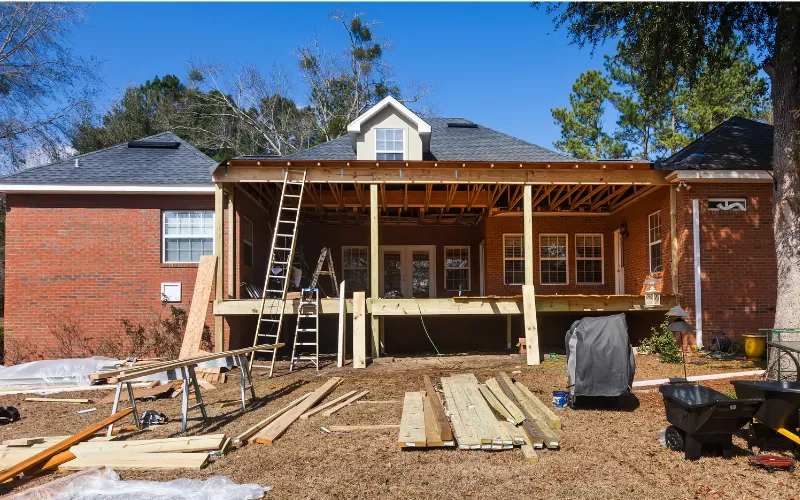
Custom Home Remodeling: Transforming Your Home with Intention and Expertise
Custom home remodeling mean more than changing a wall or swapping out a countertop. It’s about re-imagining your space to fit your lifestyle, your tastes, and your needs. Whether you're redesigning your kitchen, adding a master suite, or reconfiguring your entire footprint, a custom remodel is complex. In this article, you’ll get the insight most blogs skip: how to scope it smartly, manage surprises, pick materials, vet contractors, and protect your budget.
Not all remodelers are equal. Some see your home as a job; others see it as a client’s dream. That’s why when you hire a team like Ryan & Son Carpentry, you’re getting more than labor—you’re getting craftsmanship, care, and local know-how. They don’t just build; they personalize.
Stick with me. You’ll finish this knowing what questions to ask, what trade-offs to expect, and how to avoid remodeling regret.
Key Takeaways
True custom home remodeling involves structural, design, and utility rework—not just cosmetic tweaks.
A well-written contract and realistic contingency protect you from surprises.
Material choices and hidden systems often dominate costs more than finishes.
Communication, change control, and documentation separate good contractors from bad.
Post-project support and warranties matter more than many homeowners realize.

What “Custom Home Remodeling” Really Means
When you hear “remodeling,” many imagine paint, flooring, light fixtures. But custom home remodeling is deeper. It’s about rethinking how every square foot can function—adding walls, removing walls, reworking plumbing and HVAC, repositioning structural elements, all while preserving what already works.
Why It’s Different From Standard Remodels
It often requires structural changes (beams, load paths, foundations).
Integration of new systems (electrical, plumbing, HVAC) must mesh with old ones.
Finishes need matching or intentional contrast.
Hidden systems: wiring, insulation, ductwork, moisture barriers—all must be reworked.
Many competitor articles focus on “kitchen remodels” or “bathroom upgrades” only. They gloss over structural integration. We go deeper.
Real-World Context
Imagine this: You want an open concept where two small rooms existed. Walls come down. Load goes where? Beams installed. Flooring transitions matched. HVAC extended. Wiring rerouted. All while you still live in the house—or at least manage some level of disruption. If your remodeler doesn’t plan for that, you’ll end up with mismatched floors, odd ceiling heights, or worse: structural issues.
Custom home remodeling is not a cookie cutter job. It’s creative, technical, and risk-laden. But when done right, it adds value, beauty, and practicality to your home.
Planning & Pre-Design: The Foundation of Success
You can’t skip planning. Many projects fail because clients and contractors didn’t invest enough in planning.
Define Your Goals & Priorities
What do you want to achieve (more space? more light? better layout?)
What must remain intact (existing structure, character elements)?
What’s your budget ceiling and schedule target?
Be realistic. The more flexible you are, the more options your contractor can bring.
Site & Structure Assessment
Evaluate foundation, soil, framing, roof, and walls.
Check where utilities run (plumbing, gas lines, electric panel).
Identify obstacles: load-bearing walls, beams, existing mechanical systems.
You’ll want a contractor who brings or coordinates structural and mechanical experts early.
Concept & Design Sketches
Rough floorplans, elevations, sections—don’t settle for vague verbal ideas.
Understand how new and old integrate.
Visualize transitions, materials, lighting.
Cost Estimating & Phasing
A smart remodeler will give you a ballpark budget range, then refine it after design. Expect “base cost plus contingencies.” Many professionals suggest 10–20% contingency just for hidden issues.
Phasing helps: sometimes it’s better to build structure first and postpone non-critical finishes until later.
Permits & Code Review
Custom remodels often require structural, electrical, plumbing, mechanical permits. Codes evolve. Your contractor must know local regulation changes. Don’t rely on “they’ll figure it out later.” That’s where delays and fines happen.
Choosing Materials & Systems Wisely
Once planning is solid, the next challenge is selecting materials, systems, and finishes where quality, durability, and integration matter.
Structure & Framing
Use engineered lumber or steel when spans are large.
Match new structural elements’ shrinkage, expansion, and compatibility with old wood.
Make load paths continuous from roof to foundation.
Roofing, Windows, and Exterior Envelope
A custom remodel must ensure water tightness at junctions between existing and new. Flashing, roof tie-ins, window heads, siding transitions—these are critical. Fail them and your remodel leaks.
Insulation, HVAC & Air Barrier
Good insulation is essential, but even more important is a continuous air/moisture barrier. Your remodeling contractor should design how new and old insulation and vapor barriers interconnect. HVAC loads often increase with remodels—expect duct resizing, new zones, or upgraded equipment.
Electrical & Plumbing
Running new circuits or plumbing often reveals surprises: overloaded panels, undersized piping, code violations. The remodeler must account for potential upgrades. Smart homes, lighting controls, and upgraded plumbing fixtures are frequent upgrades—budget for them early.
Finish Materials
Kitchen cabinetry, flooring, tile, trim—these get the spotlight. But if your finishes change rapidly or wildly between old and new, the transition area will always look awkward. Skilled remodelers pick finishes that bridge style and material seamlessly.

Selecting a Contractor that’s Fit for Custom Remodeling
This is the pivotal decision. The right contractor can make your dream, the wrong one can break your home.
Experience & Portfolio
Ask for remodels—not just “renovations.” Look for projects that combine structural changes, additions, and finishing. Visit them if possible. Explore photo galleries with before/after context.
Licensing, Insurance & Trust
Fully licensed to perform structural work in your jurisdiction.
Carry general liability, workers’ comp, and warranties.
Pull permits—not you.
If a contractor pushes “we’ll just do it under the radar to save cost,” that’s a red flag.
Transparent Proposals & Change Management
A strong proposal splits costs: demolition, structure, systems, finishes, contingencies, cleanup. And importantly, it defines how changes will be quoted, approved, and documented. You don’t want surprises like “oh, that change is extra” after work starts.
Communication & Project Management
Your remodeler should communicate constantly: daily or weekly check-ins, site photos, schedule updates. When delays arise (and they will), they should warn you early and propose solutions.
Local Knowledge & Logistics
A custom remodeler familiar with your city or region knows local climate, delivery constraints, codes, soil types, and labor. They can coordinate deliveries, site access, and inspections better than someone flying in.
That’s a key advantage when choosing Ryan & Son Carpentry—they operate locally, not as itinerant contractors, and that delivers predictability and responsiveness.
FAQs
How long does a custom home remodeling project take?
It depends on scope, but many projects range from 3 to 9 months or more for major changes.Can I live in my home during remodel?
Often yes—especially if the work is sectional—but expect some disruption and dust.What is a reasonable contingency budget?
Aim for 10–20% reserve to cover surprises in structure, utilities, or finishes.Will remodeling increase my home’s value?
When done thoughtfully, yes—it often delivers strong functional and resale value.Do I need an architect for custom remodeling?
For complex structural changes or aesthetic blending, yes—a qualified designer helps translate vision into buildable plans.
Conclusion
Custom home remodeling offers the chance to make your house truly yours. But it’s risky. The difference between disappointment and delight lies in planning, craftsmanship, and oversight. Start with vision, demand transparency, vet your contractor, and manage change deliberately. Material choices and hidden systems often drive cost more than what you see.
Choose a contractor who treats your home like more than a job. Someone who communicates, protects, anticipates, and respects your budget. That’s the kind of remodel that endures.
If you want your custom remodel done right—without regrets—trust Ryan & Son Carpentry to bring craftsmanship, clarity, and commitment to your project.
Call to Action
Ready to make your home truly yours? Contact Ryan & Son Carpentry now for a free custom home remodeling consultation. Let’s design something that lasts.
