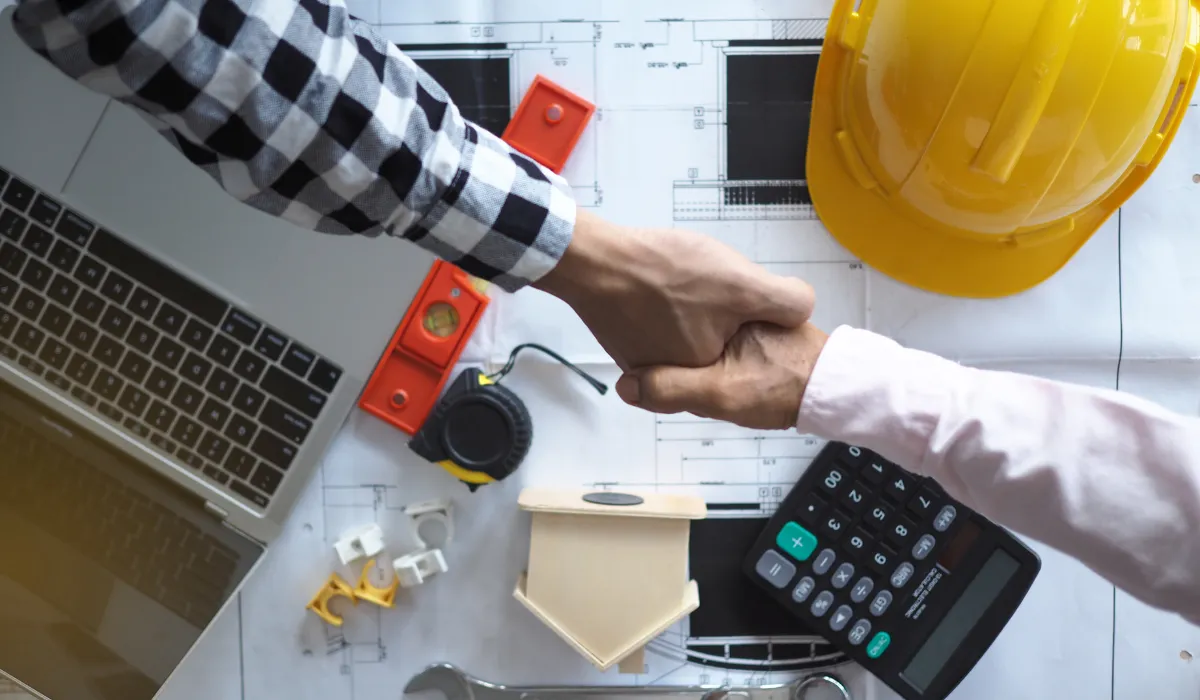
Design and Build Home Additions: Your Complete Guide to Seamless Expansion
So you want to design and build home additions? Well, you’re doing more than just adding walls—you’re kinda changing how your home feels and flows. It’s exciting, yeah, but it can also be super stressful if you don’t do it right. There’s a lot to think about, from how the new space connects with the old to making sure everything actually works once it’s built.
In this guide, I’ll try to walk you through everything—from the early planning stages all the way to the finishing touches. We’ll cover the stuff most blogs don’t mention, the little details that can save you headaches later, and how to avoid common mistakes that trip people up.
You’ll also see why Ryan & Son Carpentry is a solid choice. They bring local experience, real craftsmanship, and know how to make sure your addition actually fits and flows with your home. They don’t just build; they think about how your home lives and grows with the new space.
Plus, we’ll touch a bit on custom home remodeling so your addition doesn’t feel tacked on. When done right, the new space can blend seamlessly with the old, making your home feel bigger, more functional, and just… right.
Key Takeaways
A proper design and build home addition approach keeps design and construction on the same page, less miscommunication.
Hidden stuff like rot, wiring, or plumbing changes usually cost more than paint and floors.
Make sure your contractor actually does additions—not just remodels.
Contracts, change orders, and checking the work matter.
Good builders don’t just leave, they follow up and stand behind what they did.
What Does “Design and Build Home Additions” Mean?
Lots of people think a “home addition” is just hiring a contractor after the plans are done. But design-build means one team handles the whole thing, start to finish. That way, your vision, structure, and custom home remodeling details all match from day one.

Benefits of the Design-Build Model
Better communication: Less confusion between architect and builder.
Faster process: Design and building phases can overlap.
One point of accountability for schedule, cost, and quality.
Budget aware design: You know costs early.
Compared to old-school methods, this usually avoids headaches most blogs don’t warn you about.
Versus Traditional Design-Bid-Build
With design-bid-build, you hire an architect, finalize plans, then get bids from contractors. This can get messy, with gaps, blame, and surprises. Design-build keeps everything lined up from the start, which is super important if you want custom home remodeling included.
Early Planning: Laying the Groundwork
Good additions don’t start with hammers, they start with thinking.
Define Your Goals
More bedrooms? Bigger kitchen?
What can’t change? Roof, plumbing, walls?
Budget? Timeline? Be honest.
Check Your Site & Structure
Soil, drainage, foundation, grading
Existing framing and load paths
Rooflines, window placement, flashings
Budget & Contingency
Always have extra for surprises—like hidden rot, mismatched materials, or plumbing problems. I usually say 10–20% extra.
Zoning & Permits
Setbacks, lot coverage, height limits
Building, plumbing, electrical permits
Energy and insulation codes
Your builder should handle this stuff, not ignore it.
Design Phase: Turning Vision Into Reality
Integration Over Addition
Your new space should feel part of the home, not stuck on. Custom home remodeling helps it blend seamlessly. Roofs, siding, windows, interiors—everything matters.
Structural & Utilities
How does load move from new to old?
Plumbing, electric, HVAC routing
Don’t mess with existing systems
Material Choices
Pick stuff that matches but still lets the new space shine.
Phasing & Scheduling
Sequence matters. Don’t pick finishes before framing’s done, etc. Lock in big decisions early.
Construction Phase: Getting It Built
Site Prep & Demo
Protect the old stuff, control dust, put up temporary supports.
Foundation & Framing
Alignment has to be perfect. Flashing, sheathing, bracing—don’t skimp.
Mechanical & Utility Work
Check all plumbing, electric, HVAC routing before closing walls.
Exterior Enclosure
Install roof, siding, windows, flashing properly so no leaks later.
Interior Finishes
Drywall, trim, floors, paint, cabinets. Do it in right order. Mock-ups help match old stuff—especially for custom home remodeling.
Final Checks
Punch list, inspections, test everything, hand over warranties.

Common Pitfalls & How to Avoid
Hidden stuff: Old rot, termites, bad repairs. Budget for it.
Utilities: Your existing plumbing/electric might not handle the addition. Test early.
Transitions: Where new meets old is tricky. Flashing, expansion joints, tie-ins.
Scope creep: One small change can blow your budget. Stick to plan.
Planning: Material staging, deliveries, neighbor impact—all matter.
Measuring Success & Long-Term Value
What marks a great custom remodel—not just at completion, but years later.
Performance & Durability
Your home should feel solid. No creaks, drafts, leaks. The structure must perform. HVAC, plumbing, electrical should be efficient. Finishes should remain tight.
Aesthetic Seamlessness
The remodel should look as though it always belonged. Transitions, lighting, floor flows, trim detail—these matter as much as structure.
Return on Investment
Many custom remodels recoup a high percentage of cost if they add functional, desired spaces (primary suite, open kitchen, workspaces). But you should build for your use, not solely resale.
Post-Project Support
A contractor who stands by their work will respond to defects, warranty items, settling problems. You should have service support beyond the final punch.
FAQs
How much does it cost?
Varies a lot, usually $150–$300+ per sq ft, more for fancy finishes or custom home remodeling.How long does it take?
Many 6–12 months, longer if it’s second story or tricky build.Do I need permits?
Yep, usually structural, plumbing, electric, HVAC.Can I stay home during construction?
Often yes, but big additions might need you to move for some phases.How to make it match existing home?
Use design-build with custom home remodeling expertise so everything flows and looks like it belongs.
Conclusion
Design and build home additions can be amazing if done right. But hidden issues, sloppy transitions, and poor planning make it a headache. Add custom home remodeling in right, and your new space looks like it’s always been there.
Partner with Ryan & Son Carpentry and make sure your addition actually works, looks good, and lasts.
Call to Action
Ready to start your home’s next chapter? Contact Ryan & Son Carpentry for a free consultation and a plan to design and build your dream addition.
