Home Improvement with Added Space: Your Complete Guide to Expanding Your Home
Thinking about home improvement with added space? Maybe your living room feel cramped, or your family’s growing, or you just want a more functional kitchen. Whatever it is, adding space is exciting—but it can also get stressful if you don’t know what you’re doing. There’s planning, permits, design, construction… it’s a lot.
That’s where Sean Ryan and Son Carpentry comes in. They’re not just builders—they’re planners, designers, problem-solver. They know how to make your addition feel like it’s always been part of your home. Local experience, attention to details, and real craftsmanship—you don’t just get walls, you get a space that works and flows naturally.
In this guide, we’ll cover everything you need to know about home improvement with added space. From planning and budgeting, to design decisions and construction, we’ll tackle the stuff most blogs skip. We’ll also sprinkle in custom home remodeling and design and build home additions insights, so you get the full picture.
Key Takeaways
Early planning prevents mistakes, delays, and stress.
Design-build team save time, money, and miscommunication.
Integration with your existing homes is crucial for aesthetics and function.
Budget for surprise—10–20% extra is smart.
Experienced team like Ryan & Son Carpentry provide long-term quality and support.
Why a Design-Build Approach Works
If you’re doing home improvement with added space, the method you choose matters. Design-build is hands-down the smartest approach. One team handles everything, from initial design to the last nail. Fewer headaches, faster results, better budget control.
Fewer Headaches
One point of contact. One team. One plan. Miscommunication drops drastically. Decisions about materials, layout, or timeline happen together—not in separate silos.
Smarter Budgeting
Design and construction happen together, so costs are predictable. Changes or upgrades can be added without blowing your timeline or wallet. With Sean Ryan and Son Carpentry, you also get advice on custom home remodeling to make your space work and look great.
Planning Your Home Addition
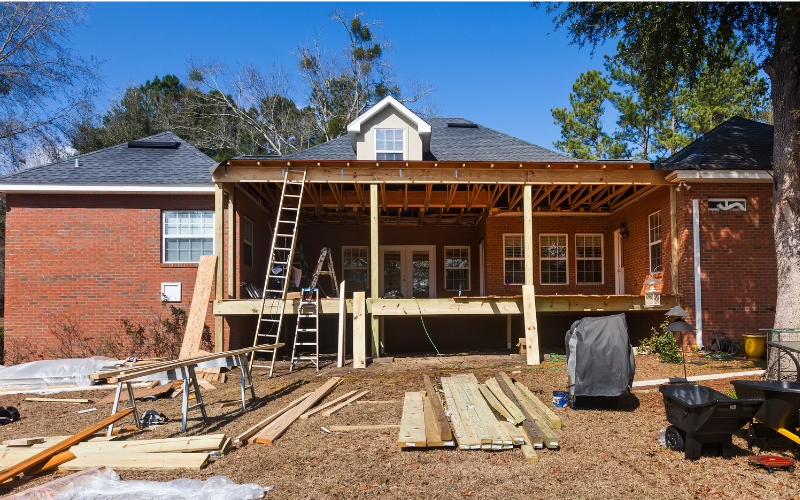
Before you swing a hammer, planning is everything.
Define Your Goals
What’s this space for? Bedrooms? Kitchen? Office?
What can’t change? Rooflines, plumbing, structural walls?
Budget? Timeline? Be honest.
Clear goals make everything smoother and help your builder understand exactly what you want.
Site and Structural Assessment
Check soil, foundation, drainage, framing, rooflines, windows, flashings. Tiny mistakes here cause big headaches later. Pros like Ryan & Son Carpentry know how to spot these early.
Budget for Surprises
Even the best plans hit surprises: hidden rot, plumbing upgrades, permit delays. Extra 10–20% in your budget saves stress later.
Designing Your Addition
Design isn’t just about square footage. It’s about flow, function, and making it feel like it’s always been there.
Seamless Integration
Use custom home remodeling techniques to blend new with old. Rooflines, siding, windows, interior finishes—everything matters.
Structural and Utility Planning
Plan load transfers, plumbing, electrical, HVAC carefully. Early planning prevents costly rework.
Material and Finish Choices
Pick materials that match your home but allow flexibility. Your new space should feel natural but still fresh.
Construction: Turning Plans Into Reality
Once design and permits are done, construction begins.
Site Prep and Demo
Protect the old structure. Control dust. Provide temporary supports. Be ready for surprises behind walls.
Foundation and Framing
Alignment is critical. Poor framing messes everything up. Proper flashing, sheathing, and bracing = long-lasting structure.
Utilities and Interiors
Install plumbing, electrical, HVAC first. Then drywall, trim, flooring, paint, cabinets. Sequence matters. Mock-ups help match old and new areas for smooth custom home remodeling.
Final Checks
Punch lists, inspections, system tests—these ensure a high-quality addition that lasts.
Common Pitfalls
Hidden Issues: Old rot, termites, or previous repairs. Budget for it.
Utility Limitations: Make sure your plumbing and electrical can handle the new space.
Transitions: Where old meets new are weak spots—use proper flashing, tie-ins, and expansion joints.
Scope Creep: Small changes can balloon into big costs. Stick to your plan.
Poor Planning: Delivery timing, staging, and safety matter to avoid delays.
Construction Phase: Getting It Built
Site Prep & Demo
Protect the old stuff, control dust, put up temporary supports.Foundation & Framing
Alignment has to be perfect. Flashing, sheathing, bracing—don’t skimp.Mechanical & Utility Work
Check all plumbing, electric, HVAC routing before closing walls.Exterior Enclosure
Install roof, siding, windows, flashing properly so no leaks later.Interior Finishes
Drywall, trim, floors, paint, cabinets. Do it in right order. Mock-ups help match old stuff—especially for custom home remodeling.Final Checks
Punch list, inspections, test everything, hand over warranties.
Common Pitfalls & How to Avoid
Hidden stuff: Old rot, termites, bad repairs. Budget for it.
Utilities: Your existing plumbing/electric might not handle the addition. Test early.
Transitions: Where new meets old is tricky. Flashing, expansion joints, tie-ins.
Scope creep: One small change can blow your budget. Stick to plan.
Planning: Material staging, deliveries, neighbor impact—all matter.

Measuring Success & Long-Term Value
What marks a great custom remodel—not just at completion, but years later.
Performance & Durability
Your home should feel solid. No creaks, drafts, leaks. The structure must perform. HVAC, plumbing, electrical should be efficient. Finishes should remain tight.
Aesthetic Seamlessness
The remodel should look as though it always belonged. Transitions, lighting, floor flows, trim detail—these matter as much as structure.
Return on Investment
Many custom remodel recoup a high percentage of cost if they add functional, desired spaces (primary suite, open kitchen, workspaces). But you should build for your use, not solely resale.
Post-Project Support
A contractor who stands by their work will respond to defects, warranty items, settling problems. You should have service support beyond the final punch.
FAQs
How much does home improvement with added space cost?
It varies a lot depending on size, materials, and complexity. Most projects run $150–$300+ per square foot, higher for premium finishes or complex custom home remodeling.How long does a home addition take?
From start to finish, most projects take 6–12 months. Bigger projects or second stories can take longer.Do I need permits?
Yes. Building, plumbing, electrical, and HVAC permits are typically required.Can I stay in my home during construction?
Often yes, but major projects might require temporary relocation during noisy or disruptive phases.How do I make the addition feel seamless?
A design and build home additions approach, combined with custom home remodeling, ensures the new space flows naturally with your existing home.
Conclusion
At the end of the day, home improvement with added space is about flow, comfort, and making your house actually work for your family. With a design and build home additions approach and smart custom home remodeling, your new space will feel natural, functional, and beautiful—something you’ll actually enjoy for years.
Call to Action
Ready to expand your home smartly? Contact Sean Ryan and Son Carpentry today for a free consultation and get started on your dream addition.
